
Understanding print yield is essential for optimizing your printing costs and making informed decisions about consumables that align with your operational efficiency goals.
Understanding Print Yield and Why It Matters for Your Business
If you've ever been caught off guard by how quickly your printer runs out of toner or ink, you're not alone. For home office workers and remote professionals, running out of supplies at the worst possible moment can derail productivity and lead to unexpected expenses. The culprit behind these surprises often lies in a misunderstanding of print yield—the metric that tells you exactly how many pages you can expect from a single cartridge.
Print yield represents the estimated number of pages a toner or ink cartridge can produce before it needs replacement. This figure is typically based on standardized testing conditions set by industry organizations like ISO (International Organization for Standardization). For example, a toner cartridge with a 2,500-page yield should theoretically print that many pages under controlled test conditions. Understanding print yield empowers you to make smarter purchasing decisions, budget more accurately for printing costs, and avoid the frustration of frequent cartridge replacements. It's the foundation of cost-per-page calculations that reveal the true value of your consumables investment.
The Science Behind Print Yield Calculations and Industry Standards
Print yield isn't just a number manufacturers pull from thin air—it's calculated using rigorous ISO standards that ensure consistency across brands. For monochrome laser printers, the ISO/IEC 19752 standard applies, while color laser printers follow ISO/IEC 19798. Inkjet cartridges are measured using ISO/IEC 24711 for color and ISO/IEC 24712 for black. These standards specify precise testing conditions, including page coverage percentage (typically 5% for monochrome and specific patterns for color), environmental factors, and print settings.
The 5% coverage standard means that testing assumes only 5% of each page is covered with text or images—roughly equivalent to a typical business letter. This standardization allows you to compare yields across different manufacturers on an apples-to-apples basis. However, it's critical to recognize that these are controlled laboratory conditions. Your actual printing habits, document types, and printer settings will influence real-world performance. A page filled with graphics or photos can have 50% or higher coverage, dramatically reducing the effective yield you'll experience compared to the manufacturer's stated number.
Key Factors That Influence Your Actual Print Yield Performance
Several variables affect whether you'll achieve the manufacturer's stated print yield in your home office environment. Page coverage is the most significant factor—dense documents, spreadsheets with shading, or marketing materials with images consume significantly more toner or ink than simple text documents. Print quality settings also play a crucial role; selecting 'high quality' or 'best' modes uses more consumable material per page than draft or economy modes.
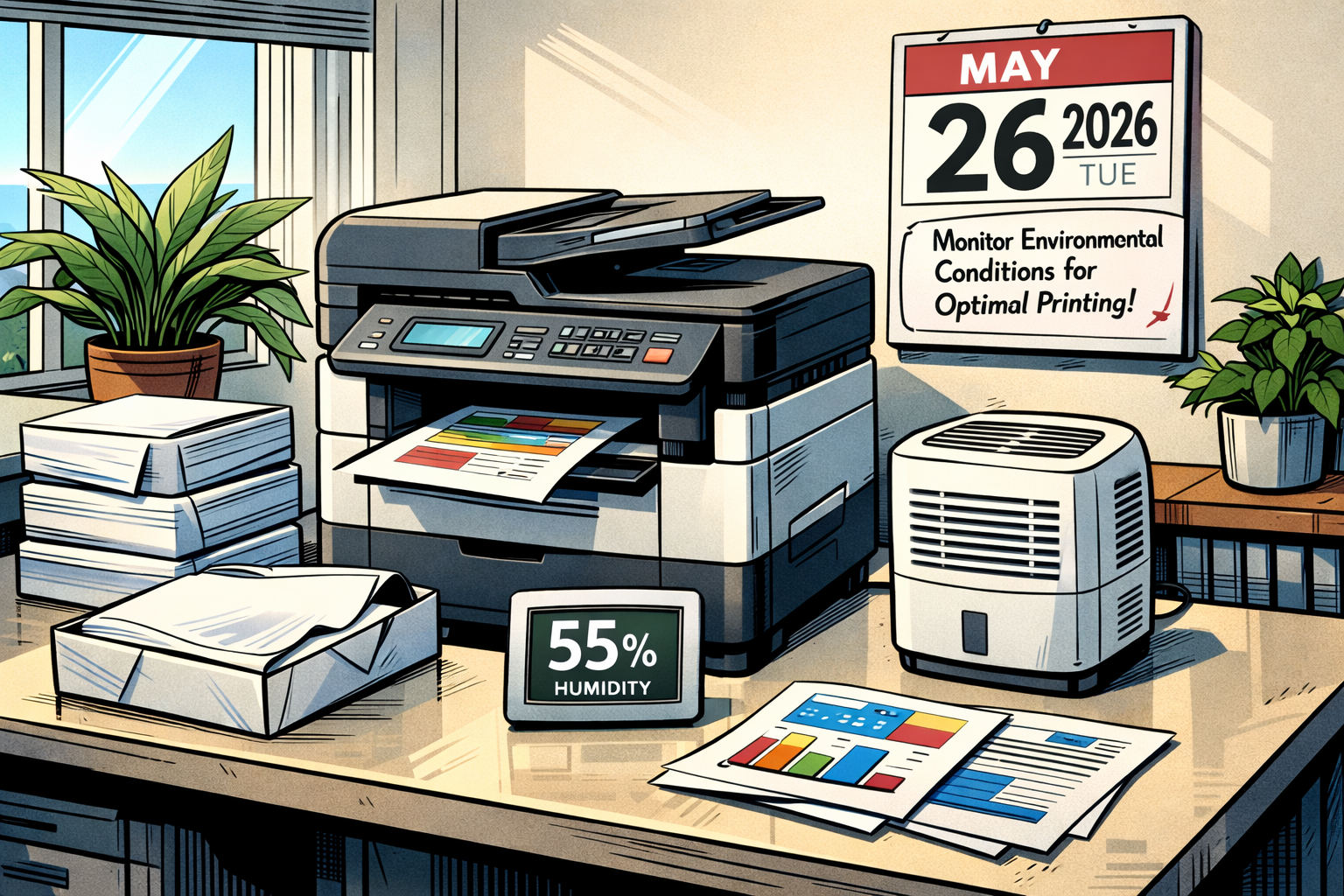
Environmental conditions matter more than most people realize. Temperature and humidity fluctuations can affect how toner adheres to paper and how ink flows, potentially impacting yield. Your printer's maintenance cycles, which automatically clean print heads or calibrate components, also consume small amounts of ink or toner that aren't reflected in page counts. Additionally, the type and quality of paper you use can influence efficiency—rougher papers may require more toner for proper adhesion. Understanding these variables helps you set realistic expectations and optimize your printing practices to maximize the life of each cartridge.
How to Evaluate and Compare Print Yields Across Different Brands
When shopping for printer consumables, comparing print yields across brands requires a methodical approach. Start by verifying that the yields you're comparing are based on the same ISO standard—this ensures you're making a fair comparison. Next, calculate the cost per page by dividing the cartridge price by the stated yield. For example, a $60 cartridge with a 3,000-page yield costs $0.02 per page, while a $45 cartridge with a 1,500-page yield costs $0.03 per page—making the first option more economical despite the higher upfront cost.
Don't stop at comparing standard-yield cartridges. Many manufacturers offer high-yield or XL versions that deliver significantly better cost-per-page economics for users with moderate to high print volumes. Consider both original equipment manufacturer (OEM) cartridges and compatible alternatives from reputable third-party suppliers. Quality compatible cartridges often match or exceed OEM yields at substantially lower prices, though it's essential to source from trusted suppliers who stand behind their products with guarantees and support. When evaluating options, look beyond just the yield number to consider factors like cartridge reliability, print quality consistency, and supplier reputation for accurate yield claims.
Maximizing Cost Efficiency Through Strategic Print Yield Management
Strategic management of your printing operations based on print yield knowledge can generate substantial savings. Start by tracking your actual usage patterns—monitor how many pages you print monthly and what types of documents dominate your output. This data helps you select the right cartridge capacity for your needs. If you print 500 pages monthly of mostly text documents, a standard-yield cartridge may suffice, but high-volume users printing 2,000+ pages should invest in high-yield options that reduce the cost per page and minimize replacement frequency.
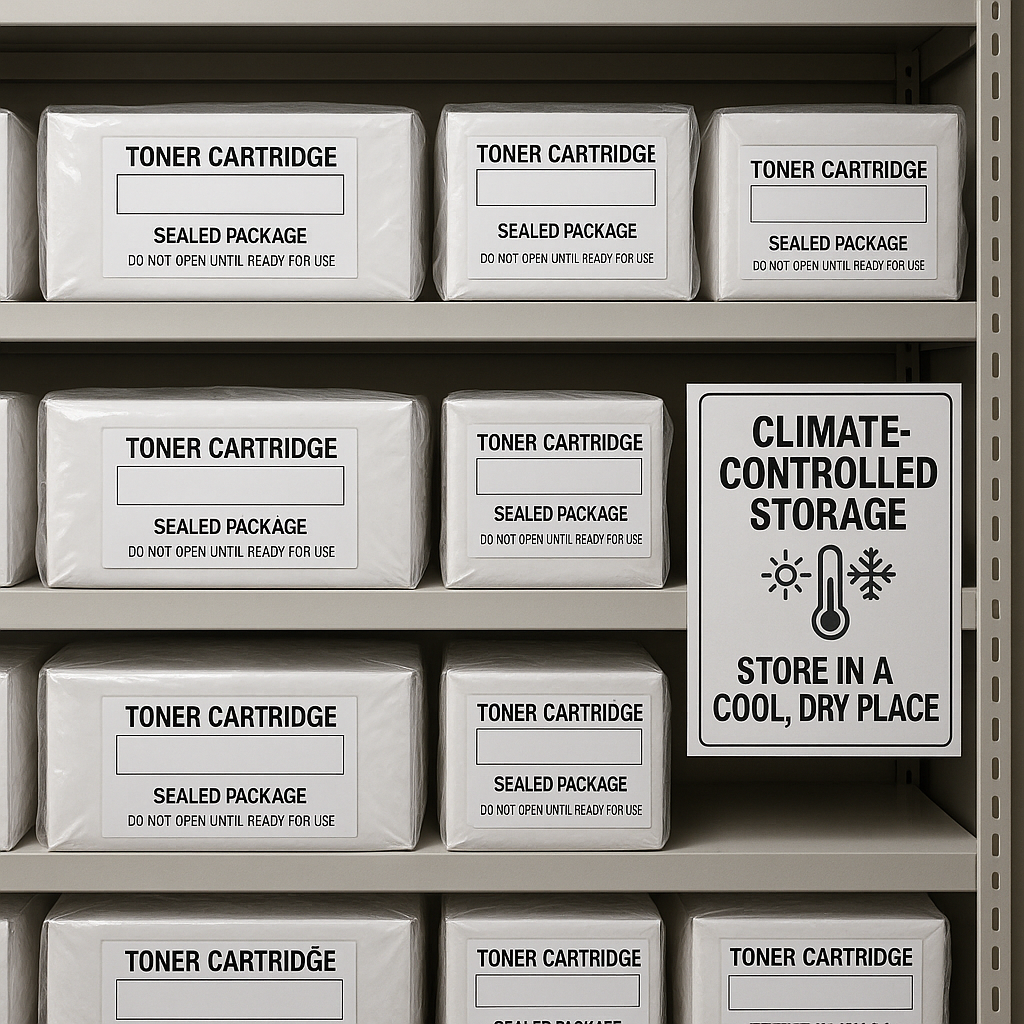
Implement print-conscious habits without sacrificing quality. Use draft mode for internal documents and proofing, reserve high-quality settings for client-facing materials, and print in grayscale when color isn't necessary. Consider digital alternatives when appropriate—sharing documents electronically instead of printing can extend cartridge life significantly. Keep cartridges in their original packaging until needed, and store them in a cool, dry environment to maintain optimal performance. When you do need to reorder, working with a reliable supplier offering a comprehensive selection of both OEM and compatible cartridges, fast shipping, and knowledgeable support ensures you never run out unexpectedly. At Tonerworld, our extensive inventory of over 8,000 products means you'll find the right yield option for your specific printer model and usage patterns, backed by expertise to help you make the most cost-effective choice.
**Pro Tips:** Always buy cartridges based on cost per page, not just upfront price. Keep a spare high-yield cartridge on hand to avoid emergency purchases at premium prices. Use your printer's software to monitor toner or ink levels and order replacements before you run out completely. Consider enrolling in automatic reorder programs that deliver cartridges based on your usage patterns. For color printing, remember that replacing individual color cartridges as they deplete is more economical than replacing entire multi-color units.
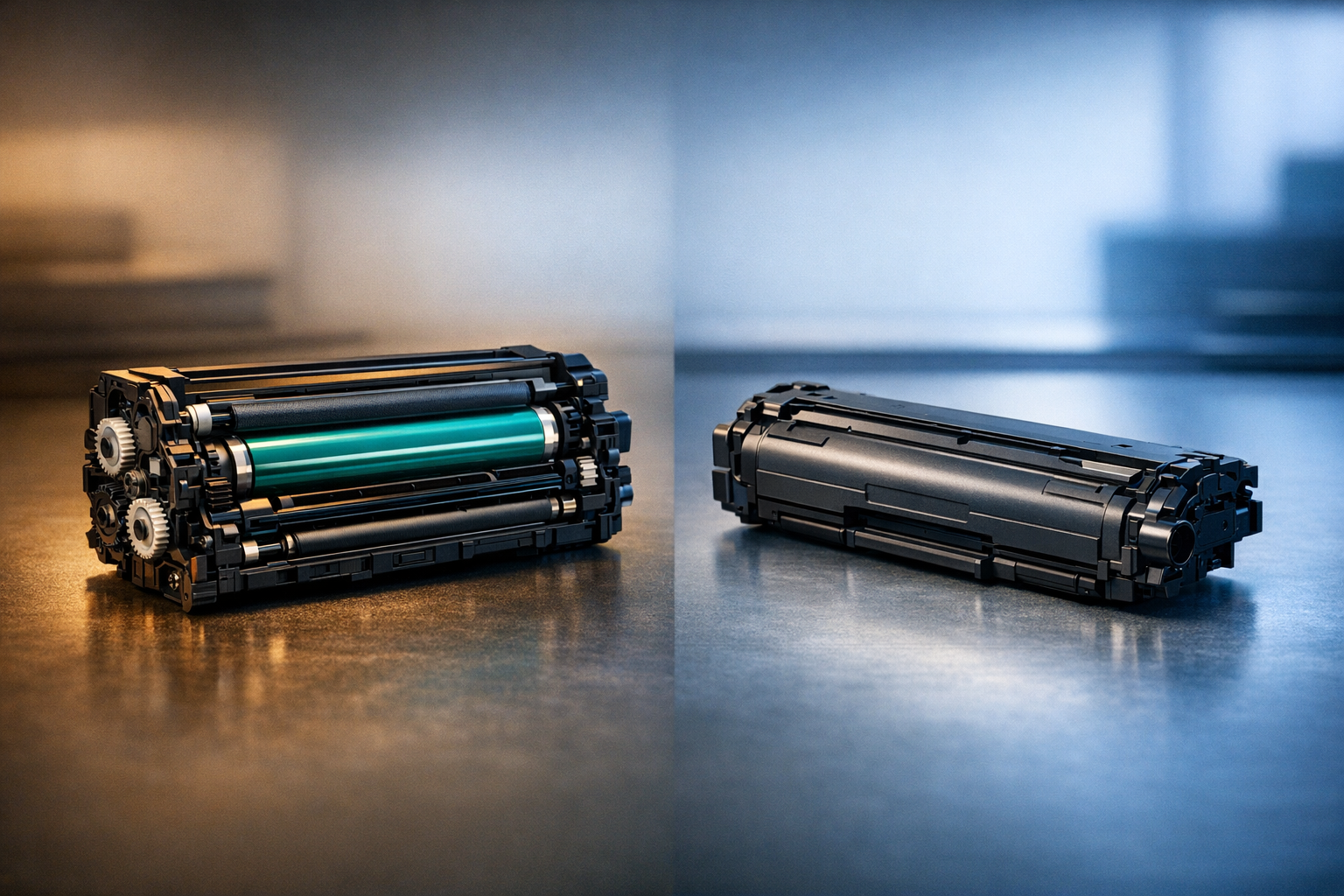
**Common Mistakes to Avoid:** Don't assume all 'high capacity' cartridges offer better value—always calculate the cost per page. Avoid letting cartridges sit unused for extended periods, as toner can settle and ink can dry. Don't ignore your printer's maintenance prompts, as skipping these can reduce print quality and effective yield. Resist the temptation to shake or tap cartridges to squeeze out extra pages, as this can damage components and affect print quality. Finally, don't overlook compatible cartridges from reputable suppliers—they can offer excellent yields at significant savings compared to OEM options.
**FAQ:**
**Q: Is the manufacturer's stated yield accurate for my printing needs?**
A: The stated yield is based on 5% page coverage under ISO testing conditions. If you print documents with heavier coverage, photos, or graphics, expect lower actual yields. Conversely, if you print mostly simple text documents, you may exceed the stated yield.
**Q: Are high-yield cartridges always the better value?**
A: High-yield cartridges typically offer better cost-per-page economics, making them ideal for moderate to high-volume printing. However, if you print infrequently, a standard-yield cartridge may be more practical to avoid cartridges sitting unused for long periods.
**Q: Can I trust print yield claims from compatible cartridge manufacturers?**
A: Reputable third-party suppliers provide accurate yield information based on the same ISO standards used by OEMs. Look for suppliers who offer guarantees, have positive customer reviews, and provide transparent specifications. Quality compatible cartridges can match or exceed OEM performance at lower costs.
Ready to optimize your printing costs? Explore Tonerworld's extensive selection of toner and ink cartridges with transparent yield information and expert guidance. Our team helps you identify the perfect cartridge for your usage patterns, ensuring maximum value with every purchase. Shop now and enjoy fast, free shipping on your order.